How Can I Post a YouTube Video to Instagram Legally?
How can i post a video from youtube to instagram: Post a YouTube video to Instagram only when you own it or have permission: export the original file, edit it...
Short answer
Post a YouTube video to Instagram only when you own it or have permission: export the original file, edit it for the chosen Instagram format, upload natively, and credit any licensed contributors.
Key takeaways
- A YouTube link does not automatically become a native Instagram video.
- Downloading someone else’s upload can violate copyright and YouTube terms.
- Use your original master file for the best quality.
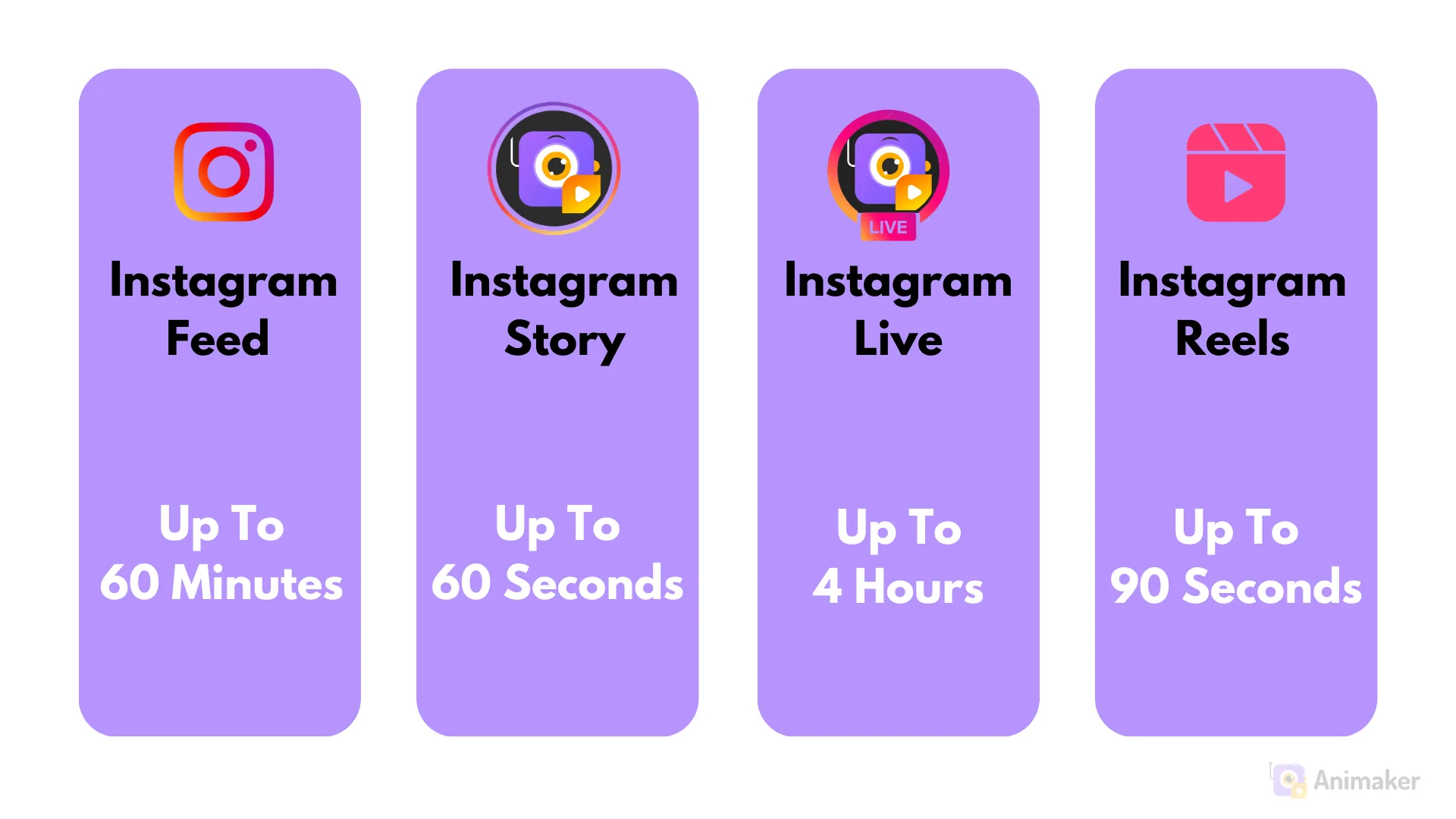
- Vertical 9:16 works for Stories and Reels; feed posts support other aspect ratios.
- Music rights can differ between YouTube and Instagram.
What is the direct answer?
Post a YouTube video to Instagram only when you own it or have permission: export the original file, edit it for the chosen Instagram format, upload natively, and credit any licensed contributors. The important distinction is between what Instagram’s current interface actually provides and what old tutorials, third-party apps, or assumptions claim it provides.
Start with the official app or website and the account you control. Read every confirmation screen before accepting it, because a similar label can produce a different result: hiding is not deleting, a tag is not a collaborator invitation, and an aggregate metric is not a list of people. In 2026, Instagram also tests layouts by account and region, so the exact menu name can move while the underlying decision remains the same.
How do you post a YouTube video on Instagram?
To post a YouTube video on Instagram, follow the official path below and pause whenever the displayed result differs from the expected one. These steps are deliberately ordered so you can stop before a hard-to-reverse change.
- Confirm ownership or written permission for the video, music, and artwork.
- Export the original source rather than ripping a YouTube stream.
- Edit a concise version for Reel, Story, or feed dimensions.
- Add burned-in captions and keep text inside safe zones.
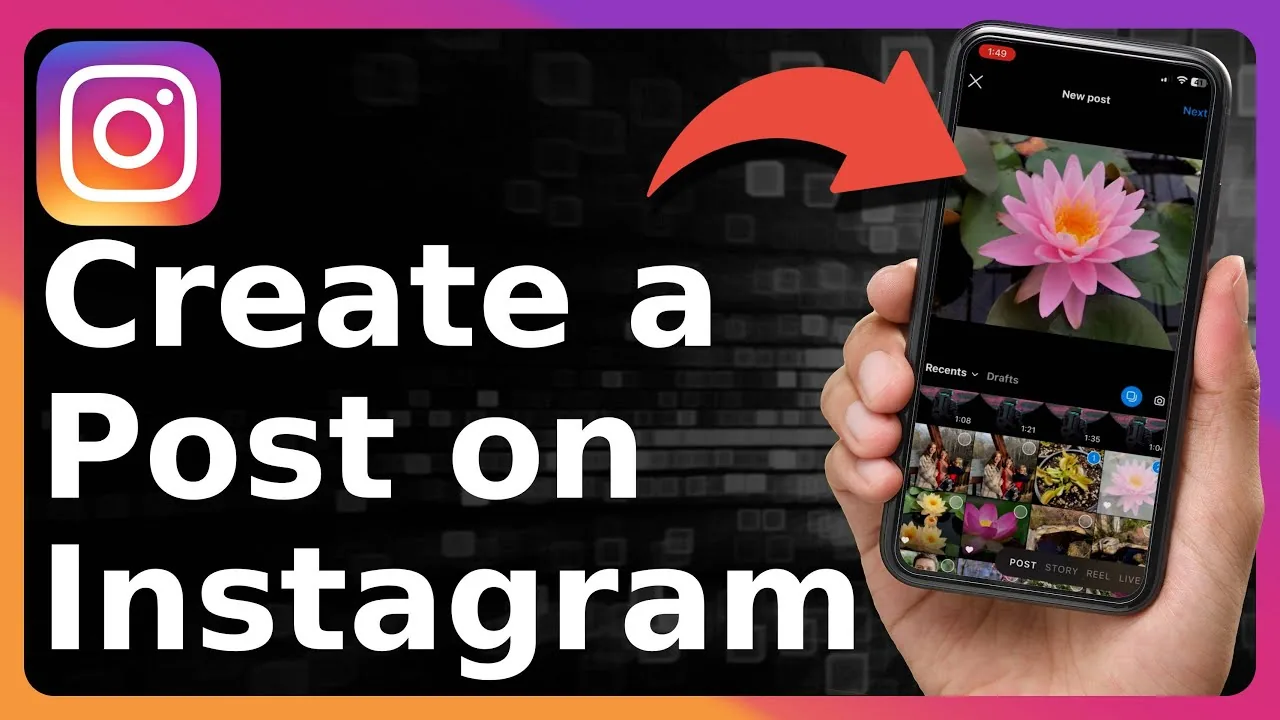
- Upload through Instagram’s plus menu with accurate credit and disclosure.
- Review the published result for crop, audio muting, and link context.
After the final step, refresh the relevant profile, post, Story, message, or Insights screen. When visibility matters, verify from another account you are allowed to use instead of assuming the owner view matches what everyone else sees. Keep a screenshot of important business settings, disclosures, or recovery details, but never include passwords or authentication codes.
Which option should you choose?
Choose the least disruptive option that fully solves the problem. The table turns the workflow into a decision checklist rather than treating every Instagram control as interchangeable.
| Action or situation | What it tells you | Safe verification |
|---|---|---|
| 1. Confirm ownership or written permission for the video, music, and artwork. | A YouTube link does not automatically become a native Instagram video. | Verify before moving to the next step |
| 2. Export the original source rather than ripping a YouTube stream. | Downloading someone else’s upload can violate copyright and YouTube terms. | Verify before moving to the next step |
| 3. Edit a concise version for Reel, Story, or feed dimensions. | Use your original master file for the best quality. | Verify before moving to the next step |
| 4. Add burned-in captions and keep text inside safe zones. | Vertical 9:16 works for Stories and Reels; feed posts support other aspect ratios. | Verify before moving to the next step |
If two options seem equally suitable, prefer the one that is reversible and preserves data. For creators and businesses, also consider whether the choice changes links, disclosures, analytics history, customer expectations, or a collaborator’s access.
What should you check if it does not work?
If the option is missing or the result looks wrong, first update Instagram, confirm the correct account, and test the same task once on a stable connection. Do not repeat taps rapidly, because duplicate publishing, invitations, or security checks can make the original problem harder to diagnose.
- Confirm the app came from Apple’s App Store or Google Play.
- Compare iPhone, Android, and web only when Instagram supports that task on each surface.
- Check Account Status, privacy settings, professional-account eligibility, and age or regional limits.
- Restart the app, then clear cache on Android or reinstall only after saving drafts and login details.
- Wait and retry later if several accounts show the same missing feature or service error.
A one-account problem usually points to settings, eligibility, or rollout. A one-device problem usually points to permissions, cache, or version. A problem affecting many people is more likely a service incident, so changing the account repeatedly will not fix it.
What privacy, safety, or policy limits matter?
Do not use third-party downloaders to copy other creators’ work, remove watermarks, or evade rights controls. A public video is still protected by copyright. Instagram controls reduce risk but cannot stop every screenshot, reshare, copied link, alternate account, or offline consequence.
Use a unique password, enable two-factor authentication, and distrust any service that needs your Instagram password to perform a task the official app does not offer. For copyright, commerce, advertising, minors, harassment, or personal safety, preserve records and follow the stricter legal or platform rule rather than a shortcut from a viral tutorial.
What related Instagram guides should you use next?
Use related guides only when they support the same goal, not as a substitute for checking the current screen. Build the foundation with the content batching calendar. For the next decision, use the Instagram caption ideas. A useful companion is the best time to post on Instagram. When you need more detail, read the personal posting-time method. To avoid a common detour, check the step-by-step Instagram posting guide. Build the foundation with the photo and video upload guide. For the next decision, use the Reels hook formula. A useful companion is the Instagram algorithm explanation. When you need more detail, read the beginner Instagram growth plan. To avoid a common detour, check the Story reposting steps.
This sequence keeps profile, publishing, privacy, growth, and troubleshooting decisions connected. It also prevents a narrow fix from creating a second problem, such as exposing a private account, breaking an old profile link, or sharing media without permission.
What is the bottom line?
The safest cross-platform workflow starts from material you own, adapts it to Instagram rather than merely copying it, and preserves attribution and licensing records. Complete the task once, verify the visible result, and keep a reversible fallback whenever Instagram offers one.
Use the official Instagram interface, protect your login, and treat missing features as a reason to verify—not a reason to install an unknown app.
Frequently asked questions
Start with this official step: Confirm ownership or written permission for the video, music, and artwork. Then continue in order and verify the final screen before assuming the change worked.
Sources
Keep reading
More guides to grow your account.