Viral Reels Hook Formula: Nail the First 3 Seconds
Use this viral Reels hook formula to clarify the topic, promise a specific payoff, and show proof fast—then test watch time instead of chasing hype.
Short answer
A strong Reels hook states the audience's problem, promises a specific payoff, and begins proving it within the first three seconds. No wording can guarantee a viral Reel, so test honest openings against watch time, shares, and follows while making the rest of the video fulfill the promise.
Key takeaways
- A reliable Reels hook has three jobs: name the relevant problem, promise a specific payoff, and show immediate proof or progress.
- “Three seconds” is a useful creative constraint, not an official threshold that guarantees distribution or virality.
- Instagram Reel Insights report views, watch time, average watch time, accounts reached, shares, saves, and follows, so creators can measure more than likes.
- Trial Reels show content to non-followers first, surface key metrics after about 24 hours, and can auto-share based on views within the first 72 hours.
- False urgency, impossible promises, and copied clips may win a pause but weaken trust, recommendation eligibility, and conversion.
What is the viral Reels hook formula?
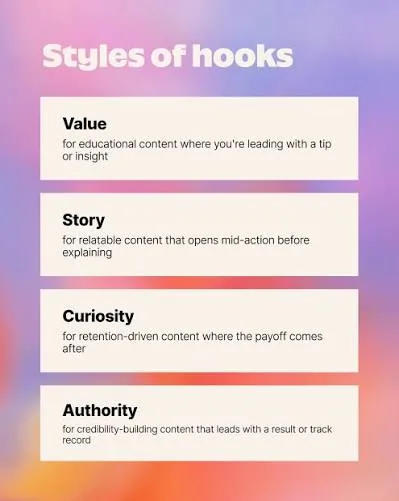
The practical formula is relevant problem + specific payoff + immediate proof. State whom the Reel helps, what they will learn or see, and begin delivering before an introduction, logo animation, or backstory.
“If your basil keeps wilting, check the soil this way” names the problem and starts the demonstration. “Here is a plant hack you need” is weaker because neither the audience nor result is clear. This structure supports attention but cannot make a Reel viral; distribution also depends on eligibility, topic demand, viewer response, and personalization covered in the Instagram algorithm guide for 2026. Connect each hook to a broader eight-week Instagram growth plan.
Why do the first three seconds of a Reel matter?
The opening matters because viewers need enough context to decide whether continuing is worthwhile. Three seconds is a useful deadline for clarity, not a published Instagram rule that every successful Reel must follow.
Instagram measures total and average watch time, and a view can include a play or replay; Insights separately reports unique accounts reached. A high view count alone therefore does not prove a hook worked. Compare average watch time, shares, saves, follows, and the retention pattern when available. Instagram also says Reels longer than three minutes will not be recommended to new audiences. Use the Instagram posting instructions to check current publishing options rather than forcing every topic into the same duration.
How do you write a Reels hook step by step?
Write the hook by choosing one viewer, one problem, one credible outcome, and one visible first action. Remove every word that delays the proof or makes a promise the video cannot fulfill.
- Name the viewer or moment: “New freelancers,” “Before you repot,” or “When your invoice is late.”
- Define the outcome: make it observable, such as fewer steps or a corrected setting.
- Choose proof: show the result, mistake, comparison, or first demonstration immediately.
- Write one spoken line: aim for natural speech, not a stuffed headline.
- Add concise on-screen text: keep the topic understandable with sound off.
- Deliver the payoff: answer the opening without padding.
Batch variations with a weekly content planning workflow. Carry the same audience promise into an effective Instagram bio, so viewers who tap through understand why they should follow.
Which Reels hook templates are useful without being clickbait?
Useful templates make a precise, supportable promise and reveal the subject immediately. Replace each bracket with a real detail, and avoid a result or certainty you cannot substantiate.
| Hook type | Honest template | Immediate proof to show |
|---|---|---|
| Mistake | “If [result] keeps failing, check [cause] first” | Show the error |
| Demonstration | “Here is how I [specific task] in [credible scope]” | Begin step one |
| Comparison | “[Option A] versus [Option B] for [use case]” | Put both on screen |
| Checklist | “Before you [action], check these three things” | Display item one |
| Test | “I tested [method] for [period]; here is the result” | Show dated evidence |
| Myth check | “[Common claim] is incomplete; here is what matters” | Show the missing factor |
Specific language helps viewers identify relevance immediately. Use plain words your intended audience understands, not a stack of generic “viral” phrases.
What visual, audio, and text should support the hook?
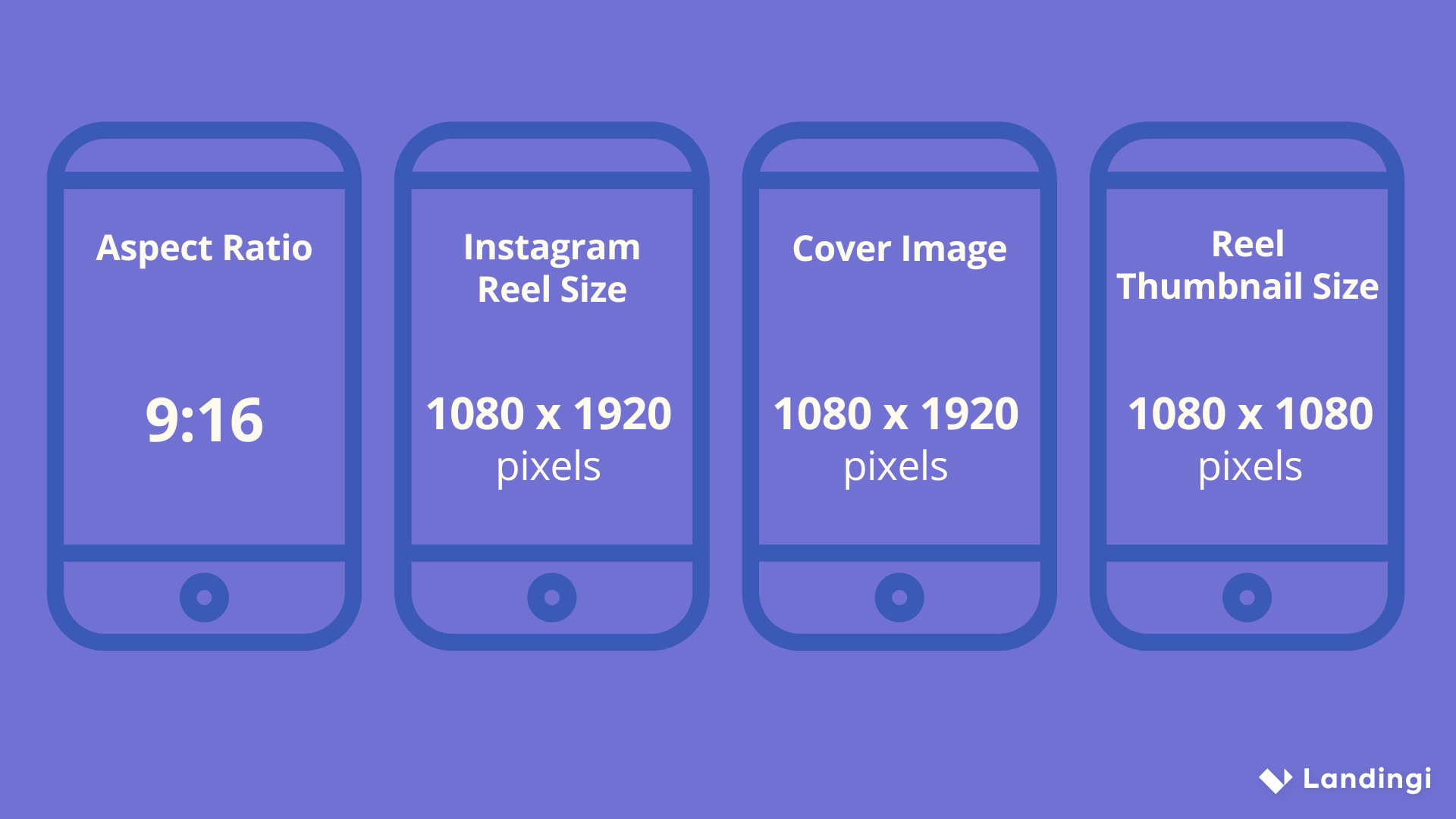
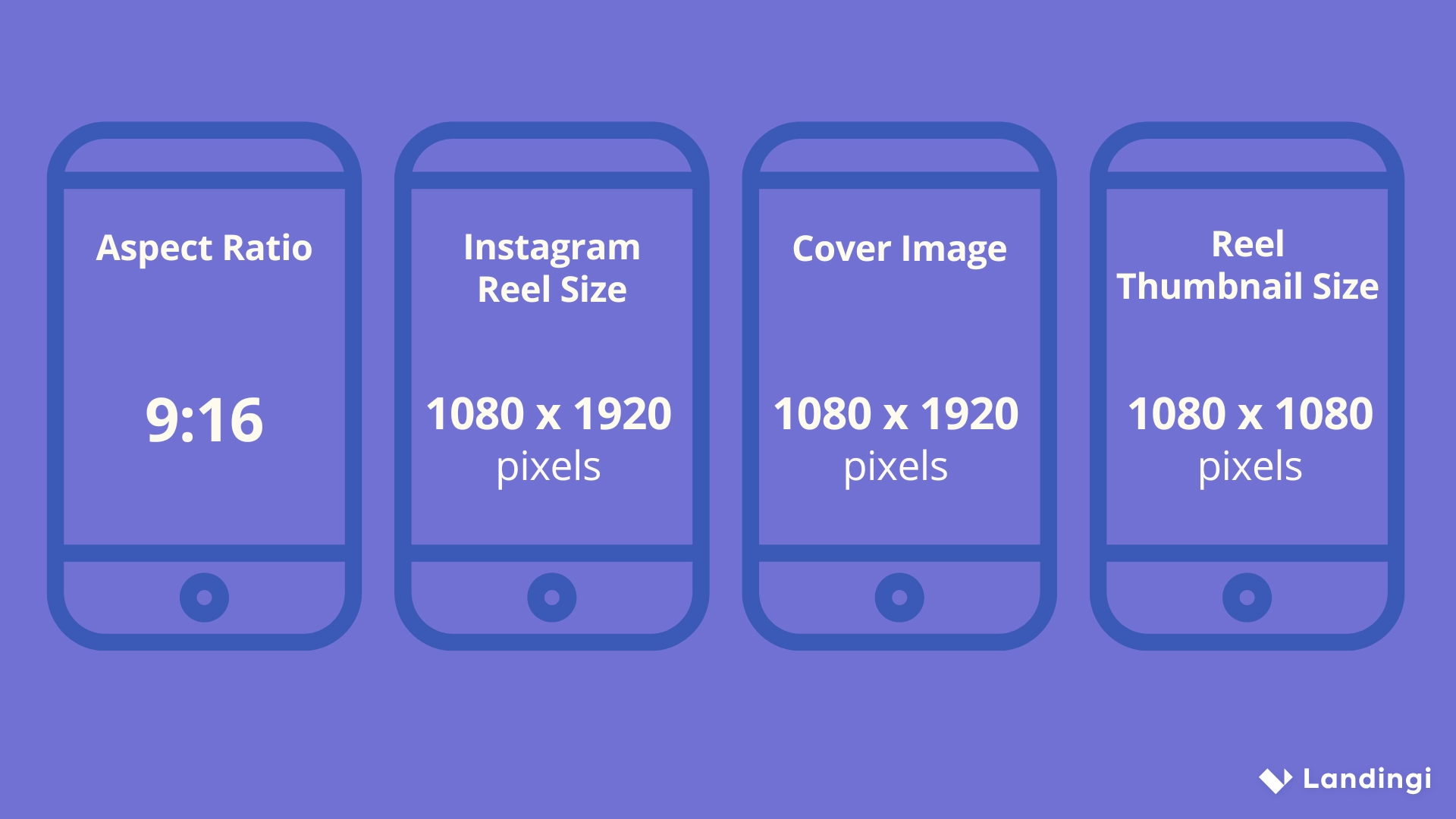
The visual, spoken line, and on-screen text should communicate one matching idea rather than three competing messages. Show the subject or result in frame one, keep important text away from interface overlays, and use a clean vertical composition when practical.
Meta's 9:16, audio, and safe-zone performance figures come from Reels advertising tests, not an organic reach guarantee. Test whether voice, natural sound, music, or silence best serves the topic and rights available to you. Add readable captions for accessibility, but keep opening text short. Compare a broad best time to post on Instagram with a Monday posting-time benchmark, then replace both with your own audience data.
How should you test two Reels hooks?
Test hooks by keeping the topic, body, length, and call to action as similar as possible while changing only the opening. Run several matched tests, because two uploads cannot separate the hook from normal audience and distribution variation.
Where Trial Reels is available, publish an experiment to non-followers and inspect views, likes, comments, and shares after about 24 hours. Meta says automatic sharing can use views within 72 hours, but results are not guaranteed. For ordinary posts, separate versions to avoid fatiguing the same audience, then record average watch time, shares per reach, and follows. Send viewers to a clearly optimized Instagram bio so a better hook has a fair chance to convert profile visits.
Which hook mistakes should creators avoid?
Creators should avoid false scarcity, unsupported guarantees, copied openings with no relevant payoff, and sensory overload that hides the subject. A hook succeeds only when the rest of the Reel quickly fulfills it and leads to a natural next action.
Do not say “save this before it is deleted” unless removal is genuinely expected, and do not promise income, health, legal, or growth outcomes without evidence and qualification. Avoid using another creator's footage without permission or material original value; Meta reported in January 2026 that 75% of US Instagram recommendations came from original posts. End with one proportionate action rather than a pile of engagement demands. When content produces credible inquiries, the small-creator brand deal guide explains what to document, while the Instagram Live guide suits topics that cannot honestly fit into seconds.
Bottom line: earn attention with clarity, keep it by delivering the promise, and use measured results—not viral folklore—to choose the next hook.
Frequently asked questions
Use relevant problem, specific payoff, and immediate proof. The opening should identify the topic and start delivering before any long introduction.
Sources
- Meta — Test Content With Non-Followers Using Trial Reels
- Instagram Help Center — View Insights on Your Instagram Reels
- Instagram Help Center — Record a Reel on Instagram
- Meta for Business — Instagram and Facebook Reels Ads
- Meta — In India, Instagram Debuts a Reels-First Experience
- Meta — 2026: AI Drives Performance
Keep reading
More guides to grow your account.