Captions for Instagram: 60 Ideas That Drive Engagement
Use these captions for Instagram across selfies, funny posts, aesthetic photos, and business content, plus a simple formula for engagement.
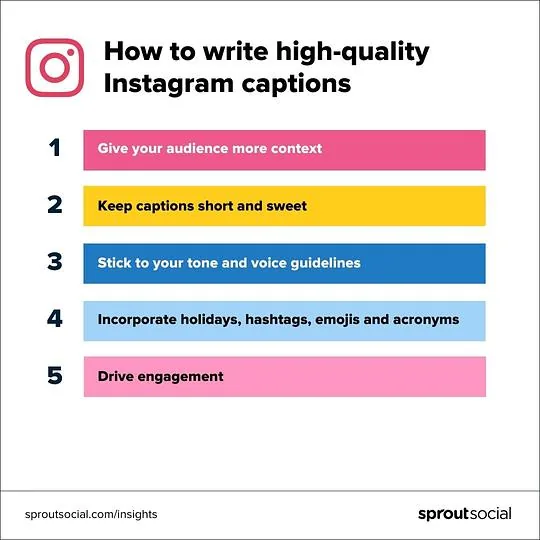
Short answer
The best captions for Instagram pair a clear first-line hook with relevant context and one natural action. Choose an idea that fits the photo, rewrite it in your own voice, and include searchable words people actually use.
Key takeaways
- A strong Instagram caption leads with a specific hook because only the opening text appears before “more.”
- One clear call to action, such as answering a question or saving a checklist, is easier to follow than three competing requests.
- Natural keywords in captions help explain the post's topic to people and search systems in 2026.
- Caption length should match the job: a one-line joke can work, while educational posts need useful context.
- Original wording beats copied viral phrases because it reinforces a recognizable voice and avoids sounding interchangeable.
What makes a good Instagram caption in 2026?
A good Instagram caption earns attention in its first sentence, adds meaning the image cannot supply, and ends with an appropriate next step. It should sound like the account that posted it, not like a generic template pasted beneath any photo.
Use the main topic naturally near the start, especially when discovery matters. That complements Instagram search optimization, a clear optimized Instagram bio, and accurate on-image text; stuffing repeated keywords or unrelated hashtags makes writing worse, not more useful.
Meta's 2026 caption guidance recommends tailoring the result to the audience and format, adding relevant keywords and hashtags, and using calls to action when they genuinely fit.
Which short captions work for selfies and everyday photos?
Short captions work best when the photo already tells most of the story. Choose one line that adds mood, context, or personality rather than describing what viewers can plainly see.
Selfie captions
- Current mood: fully charged.
- Soft light, strong boundaries.
- Keeping this version of me.
- No occasion required.
- Proof I left the house.
- Today looked good on me.
Everyday-photo captions
- A quiet favorite from this week.
- Nothing dramatic, just a good day.
- This deserved a place on the grid.
- Life lately, in one frame.
- More moments like this, please.
- The plan was no plan.
- Ordinary, but not forgettable.
- Found the good light.
- A pause worth posting.
- Keeping the little things.
Match the words to the format using the basic Instagram posting guide. A carousel can promise what appears on the next slide, while a Reel caption can supply context without repeating its spoken hook.
What are funny and aesthetic Instagram caption ideas?
Funny captions land when the joke fits the image, while aesthetic captions work when they create a consistent mood. Keep either style precise; forced humor and vague poetry are easy to scroll past.
| Caption style | Best use | Example | Natural prompt |
|---|---|---|---|
| Funny | Bloopers or candid moments | Professionally unprepared | Tell me your best recovery |
| Dry | Understated lifestyle post | A meeting that could've been a snack | Save this energy |
| Aesthetic | Travel, fashion, interiors | Blue hour, no rush | Which frame is your favorite? |
| Reflective | Milestones or personal stories | Growing slowly still counts | What changed for you? |
| Playful | Product or creator posts | Plot twist: it has pockets | Choose your color |
More funny ideas: My camera roll made the decision; this was not in the group chat; very committed to the bit; zero notes, several snacks; casually overthinking it.
More aesthetic ideas: Sunlight with somewhere to be; slow mornings, sharp details; a softer kind of loud; room to breathe; the city in lowercase.
A consistent visual promise is easier to maintain with a weekly batch content calendar.
Which captions work for businesses and creators?
Business captions work when they connect one audience problem to one useful outcome. Lead with the customer, show credible specifics, and then ask for a single action such as saving, comparing, registering, or visiting the bio link.
Try these adaptable starters:
- If problem keeps happening, start with this.
- Three things to check before you buy product category.
- We changed one process, and here is what improved.
- Save this five-minute checklist for task.
- New this week: product, designed for use case.
- The most common topic mistake has a simple fix.
- Behind the scenes: how we make specific item.
- Which option fits you: A, B, or C?
- Before and after, with the exact steps.
- A customer asked question; here is the short answer.
Specific proof builds trust, but do not invent results or manufacture urgency. Creators preparing commercial posts should also read the first small-account brand deal guide and keep sponsorship disclosures clear.
How do you write an engaging caption step by step?
Write an engaging caption by choosing one goal, drafting the hook first, adding only necessary context, and ending with one low-friction action. This four-part process is repeatable across educational, personal, and promotional posts.
- Set the goal. Decide whether the post should earn a comment, save, share, profile visit, or sale.
- Write a concrete hook. Promise a benefit, identify a problem, or create an honest information gap.
- Deliver value. Add the story, evidence, instructions, or detail promised by the hook.
- Invite one action. Ask a relevant question or suggest the next useful step.
- Edit for voice. Remove filler, repeated claims, and robotic transitions.
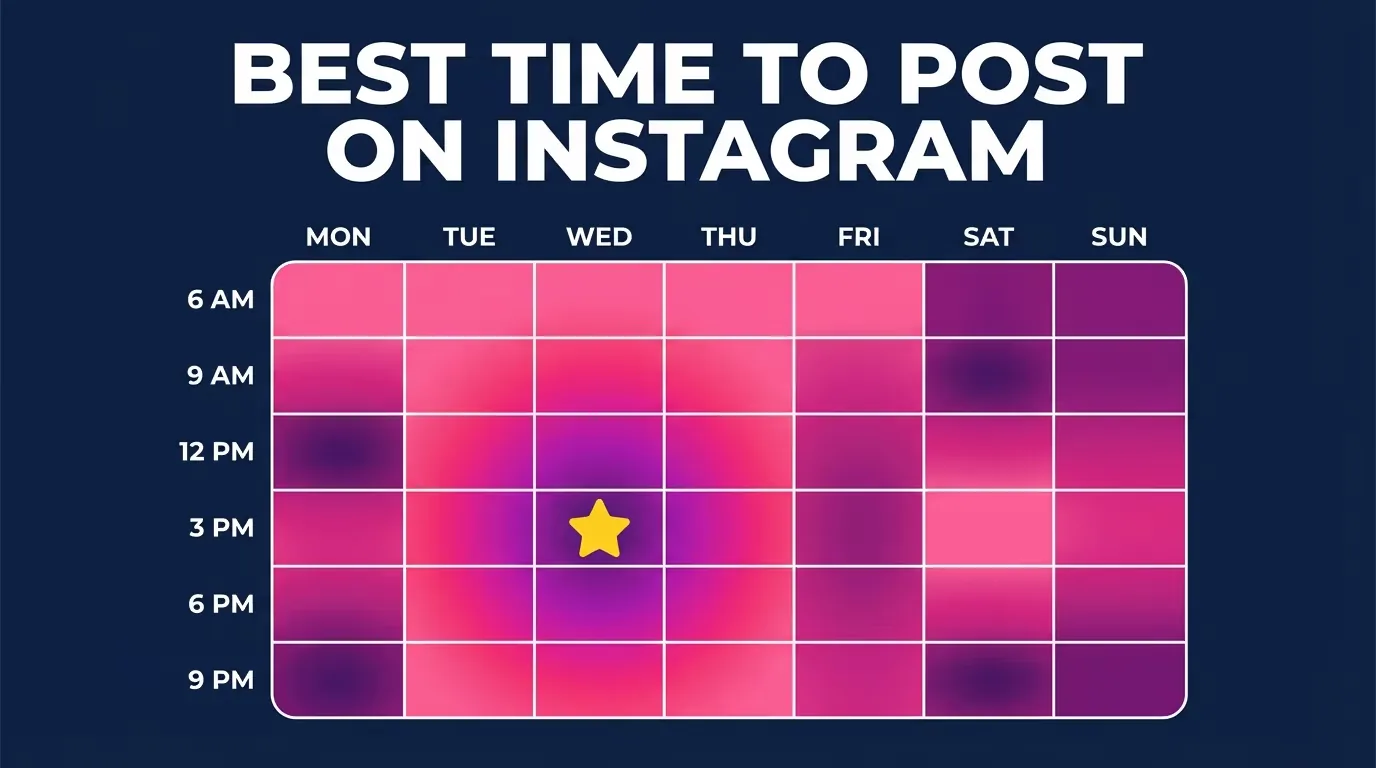
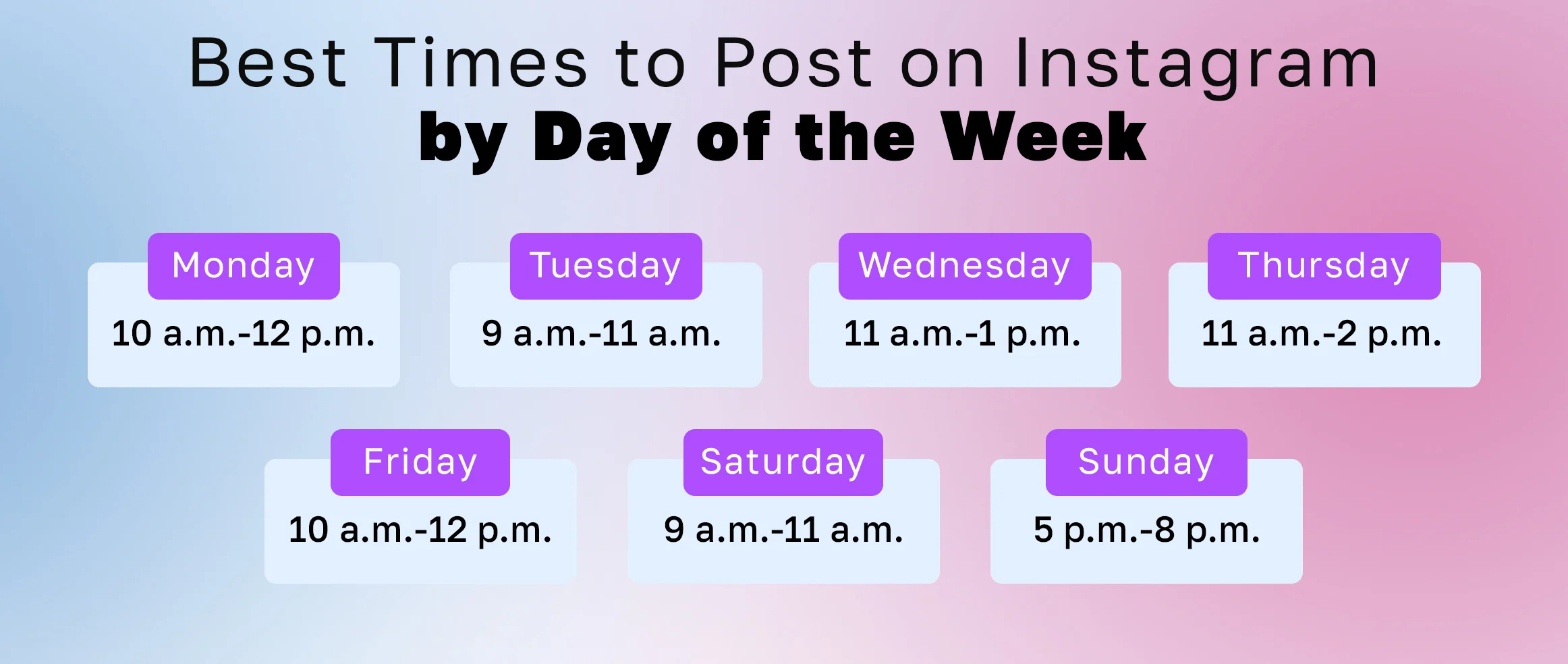
Build hooks with the viral Reels hook formula, but remember that the caption must deliver what the hook promises. Posting at a strong time may help early distribution, so check the best time to upload on Instagram after the copy is ready.
Should Instagram captions use hashtags, keywords, and calls to action?
Instagram captions should use relevant keywords, selective hashtags, and calls to action only when each element helps the reader understand or act. No fixed hashtag count guarantees reach, and repeated keyword blocks do not substitute for useful content.
Write the subject in plain language: “beginner strength workout” is clearer than a string of broad fitness tags. Add a few closely related hashtags if they help classification or community discovery, and never attach trending tags unrelated to the post. For more durable discoverability, align the caption with a well-written Instagram bio and the broader Instagram ranking system.
How can you test which captions your audience prefers?
Test captions by changing one meaningful variable at a time and comparing results across several similar posts. Use saves, shares, qualified comments, profile actions, and watch behavior rather than judging only by likes.
For four weeks, label posts by hook type, caption length, call to action, topic, and format. This evidence-based loop belongs inside a broader beginner Instagram growth plan for 2026.
Frequently asked questions
A good caption adds context, personality, or useful information the image does not provide. Start with a clear hook and end with one relevant action if needed.
Sources
Keep reading
More guides to grow your account.