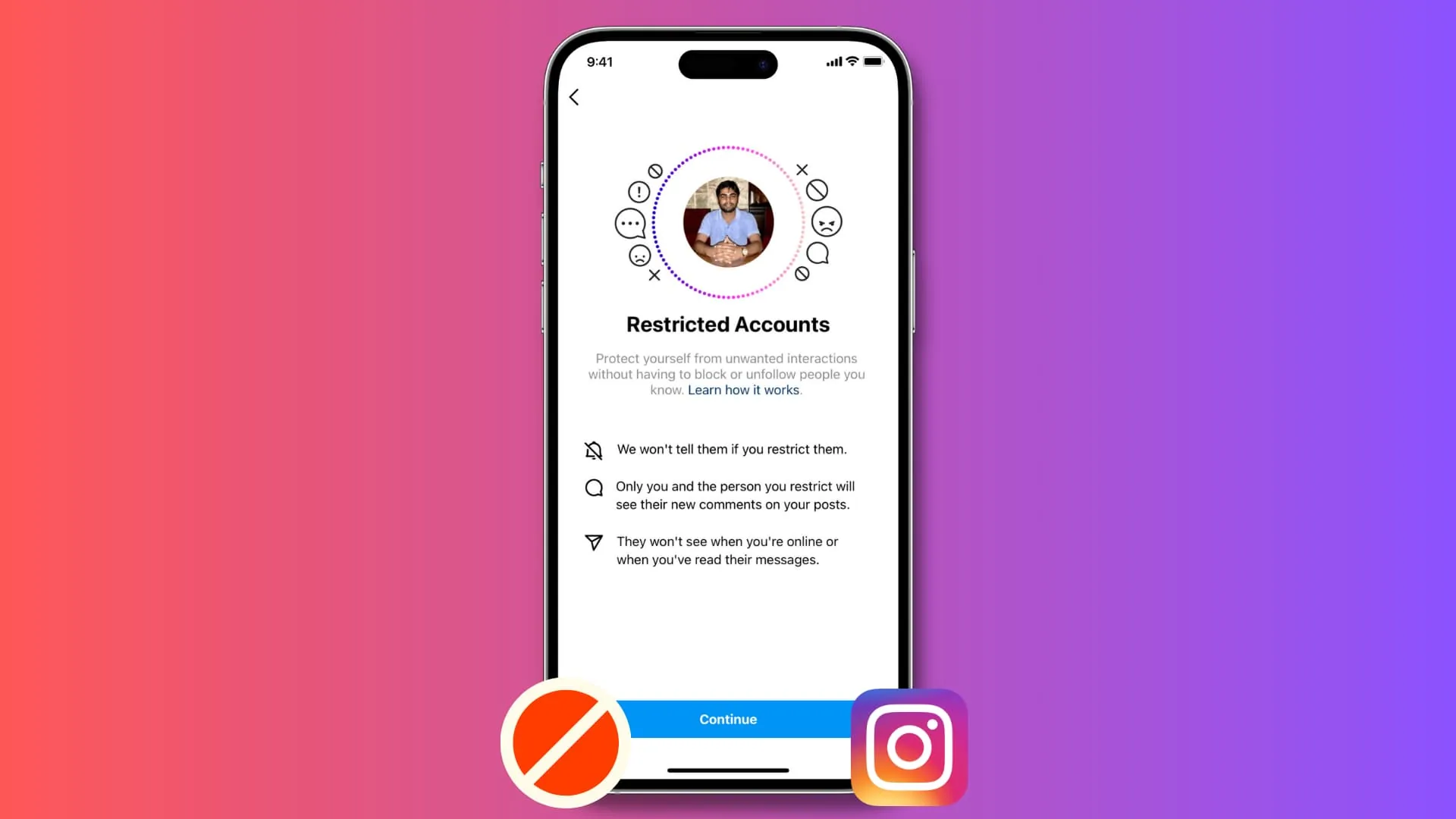
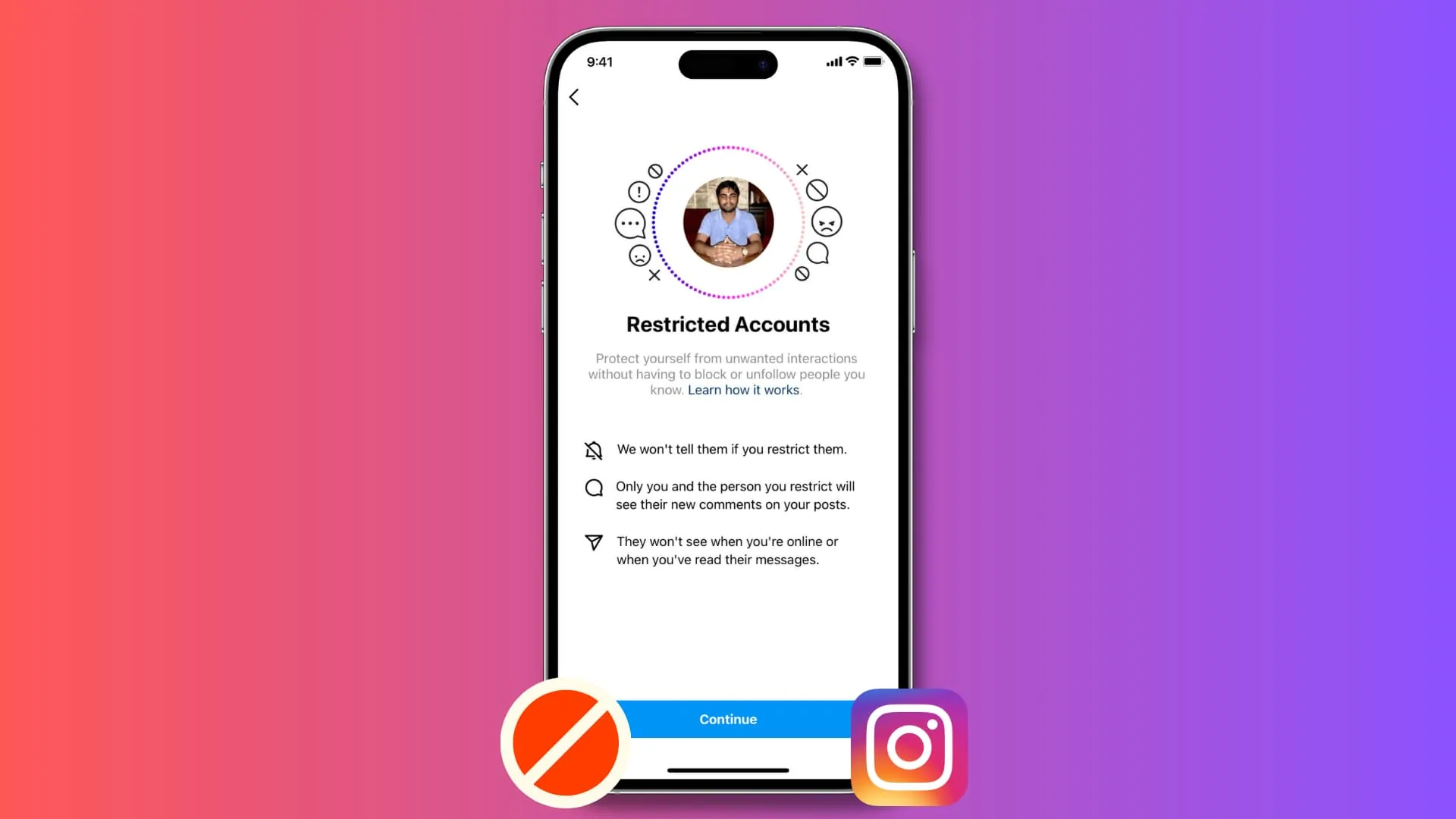
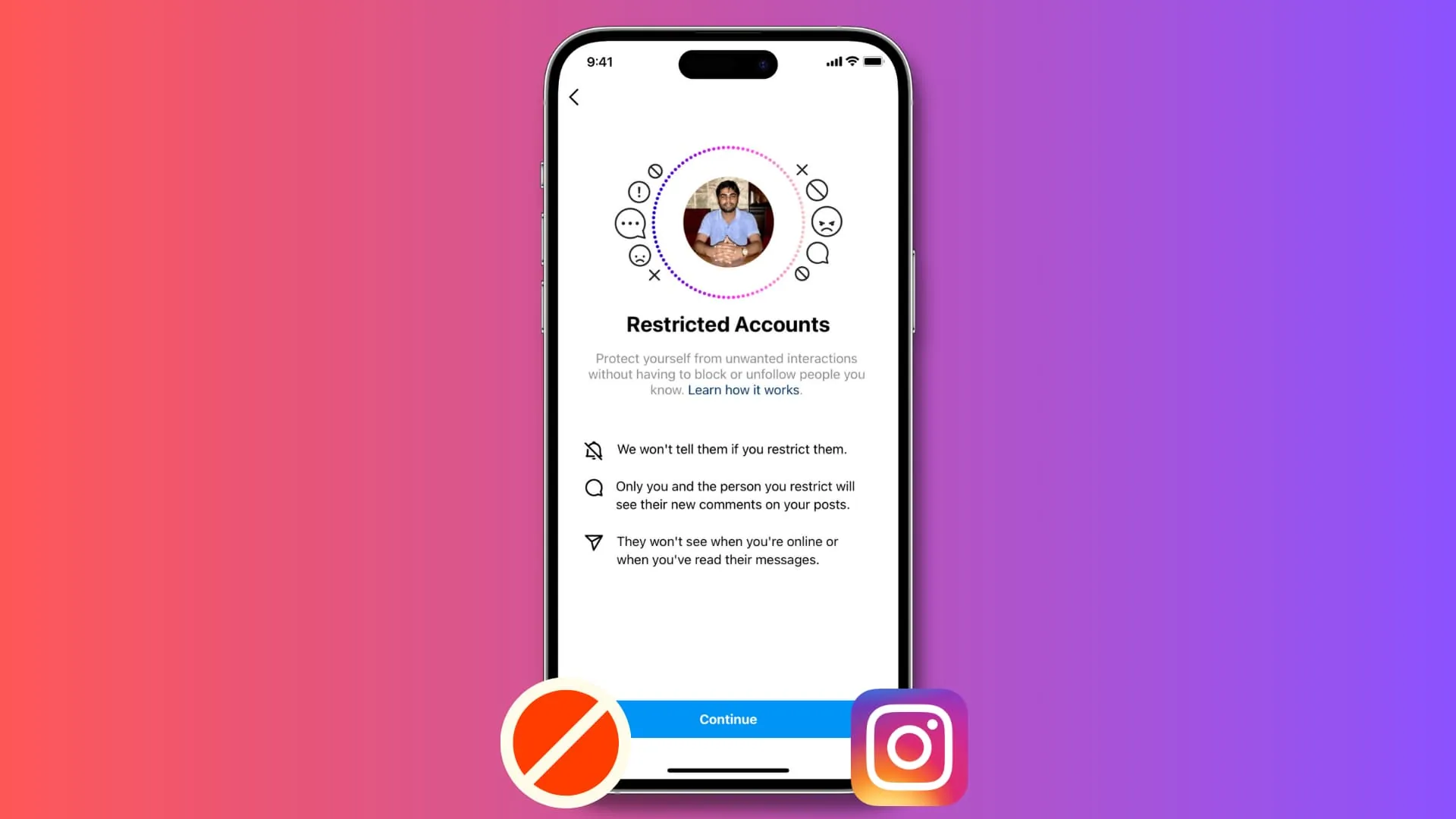
What is Restrict on Instagram?
Since Instagram never tells you when you've been restricted, the only real signs are indirect: your comments on someone's posts seem to vanish for other viewers, your messages to them never show a "Seen" receipt, and you can no longer tell if they're currently active.
Short answer
There's no notification or indicator when someone restricts you — the closest signs are that your comments on their posts seem to disappear for everyone but you, your DMs never show a Seen receipt no matter how long ago they were sent, and their online status becomes permanently invisible to you.
Quick answer
Instagram deliberately gives no notification or visible label when someone restricts you — that's the entire point of the feature. The closest thing to detecting it: your comments on their posts still show to you, but if you check from a different account, they may not appear there, your direct messages to that person never show a "Seen" indicator no matter how much time passes, and you can never see their "Active now" status, even if you could before.
Key takeaways
- There's no official way to confirm restriction with certainty — every sign is circumstantial, unlike a block, which is far more obvious (an empty-looking profile).
- A restricted person can still see the other person's public content and profile normally — restriction doesn't hide anything from your side, only changes how the other side experiences your activity.
- Comments you leave on a restricted-by post still appear to you as normal, since Instagram doesn't hide your own comment from your own view — it only limits who else can see it by default.
- Message read receipts ("Seen") consistently not appearing, over an extended period, despite the recipient clearly being active elsewhere, is one of the stronger (though still not certain) signals.
- No app or third-party service can definitively confirm whether you've been restricted — this data isn't exposed by Instagram to anyone but the person who did the restricting.
The indirect signs people look for
- Comments seem to underperform or go unanswered: if a restricted commenter's remarks are hidden from public view by default, they may get unusually few likes or replies from others, since most visitors never see them.
- Persistent lack of "Seen" on messages: if your DMs to someone never show as read, even after long periods and even though you know they're generally active on Instagram, it can suggest your messages are landing in their filtered requests folder rather than their main inbox.
- Their "Active now" status disappears: if you used to see when they were online and that status quietly stops appearing, it's one of the few concrete behavioral changes tied specifically to restriction.
Why you can't know for certain
Instagram intentionally built Restrict to be undetectable from the restricted person's side — this is a core part of its design, meant to give the person doing the restricting a low-conflict way to create distance without confrontation. Because of this, combining multiple signs (rather than relying on just one) is the most reasonable way to form a suspicion, but no method offers definitive proof.
Common mistakes to avoid
- Treating a single sign (like one low-engagement comment) as certain proof of restriction — comments can underperform for many unrelated reasons, like timing or algorithm changes.
- Confusing restriction with being blocked — a block is far more obvious, since it makes the other person's profile appear completely empty and inaccessible to you.
- Downloading any app or service that claims to definitively reveal who has restricted you — this isn't information Instagram exposes to anyone, and such tools are not using real functionality.
- Confronting someone directly based on a suspicion of restriction — since it can't be confirmed, this often leads to more conflict than it resolves.
Tips
- If you're more concerned with the mechanics of the feature itself — what it actually does and how to use it — see our full breakdown of what it means to restrict someone on Instagram.
- If persistent unanswered messages and vanished engagement bother you, it may be worth simply asking the person directly (off-platform, if the relationship allows) rather than trying to detect it technically.
- Focus energy on your own boundaries and engagement rather than trying to definitively prove someone else's settings, since the feature is designed specifically to resist detection.
Frequently asked questions
No, Instagram doesn't expose this information to the restricted person under any circumstances. Every sign people look for is circumstantial and can have other explanations.
Sources
Keep reading
More guides to grow your account.